
Solution
Energy & Water Management
Most buildings and facilities still read meters manually, discover leaks from the water bill and see energy waste only at month-end. MatrixAI connects electricity, BTU and water meters, tanks and pumps over LoRaWAN or LoRa Mesh so that consumption becomes live, granular and actionable — without re-cabling the site.
- What problem do we solve?
- Manual or monthly meter reading, with no interval data to explain consumption
- How do we solve it?
- Measure → Connect → Analyse → Detect → Control → Optimise
- What technologies do we use?
- LoRaWAN Class A / C, LoRa Mesh, Modbus RTU, M-Bus, Pulse inputs, 4–20 mA, MQTT, REST API
- What can we integrate?
- BMS / SCADA, CAFM / CMMS, Energy management platforms, ERP & billing, Power BI / data warehouses
The problem
Measure, connect and optimise every kWh and every litre
- Manual or monthly meter reading, with no interval data to explain consumption
- Tenant and cost-centre recharging based on estimates rather than measured values
- Leaks, overflowing tanks and failed pumps discovered only after damage or high bills
- Existing Modbus / M-Bus / pulse meters that were never connected to a central system
- Chilled-water and BTU consumption that cannot be allocated or benchmarked
- No reliable baseline to prove energy-saving measures
Our approach
How we solve it
- 1
Measure
Audit the metering hierarchy and select LoRaWAN-native meters or retrofit converters for existing meters.
- 2
Connect
Design gateway coverage — LoRaWAN, LoRa Mesh or hybrid — for plant rooms, risers and basements.
- 3
Analyse
Normalise interval data per building, floor, tenant and asset; build consumption and water-balance views.
- 4
Detect
Configure anomaly rules for night-time base load, continuous flow, abnormal tank levels and demand peaks.
- 5
Control
Use LoRaWAN downlink to operate valves, relays and pumps where the application allows it.
- 6
Optimise
Turn findings into energy-saving opportunities, tenant reports and CAFM actions.
Architecture
How the system fits together
- 01
Meters & Sensors
Electricity · BTU · Water · Level
- 02
LoRaWAN / LoRa Mesh
Wireless last mile
- 03
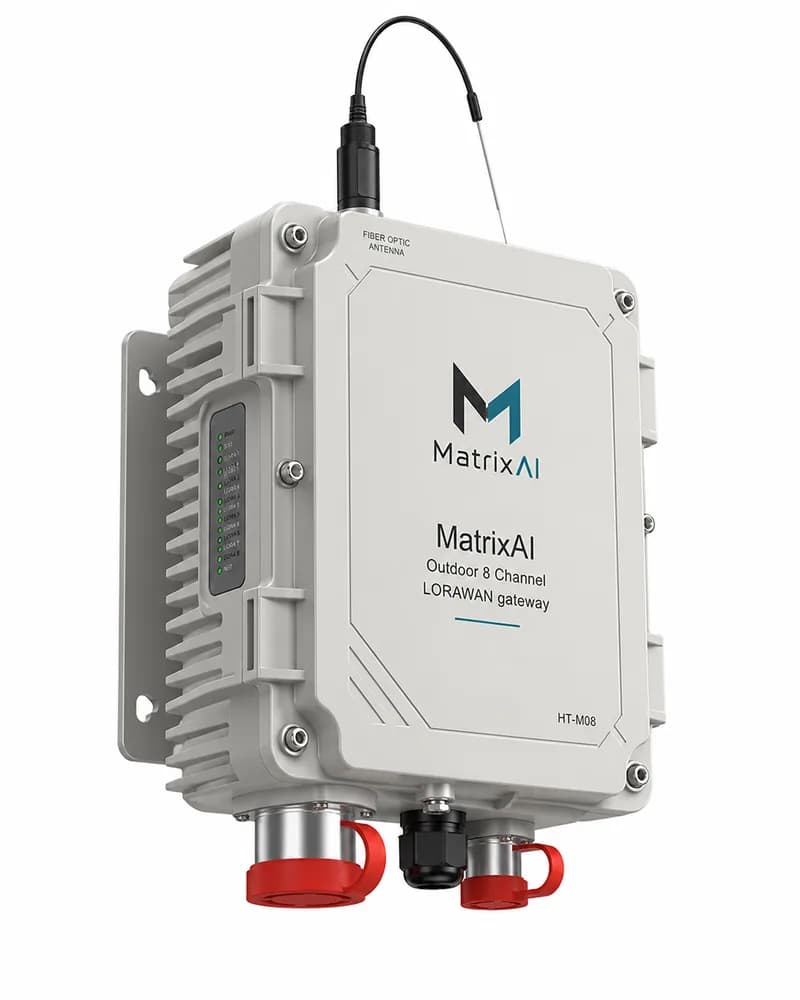
Gateway
4G / Ethernet backhaul
- 04
Network Server
e.g. ChirpStack
- 05
IoT Platform
Decoding & storage
- 06
Analytics
Dashboards · Alerts
- 07
BMS / CAFM / Actions
Work orders · Control
Capabilities
What energy & water management covers
Energy
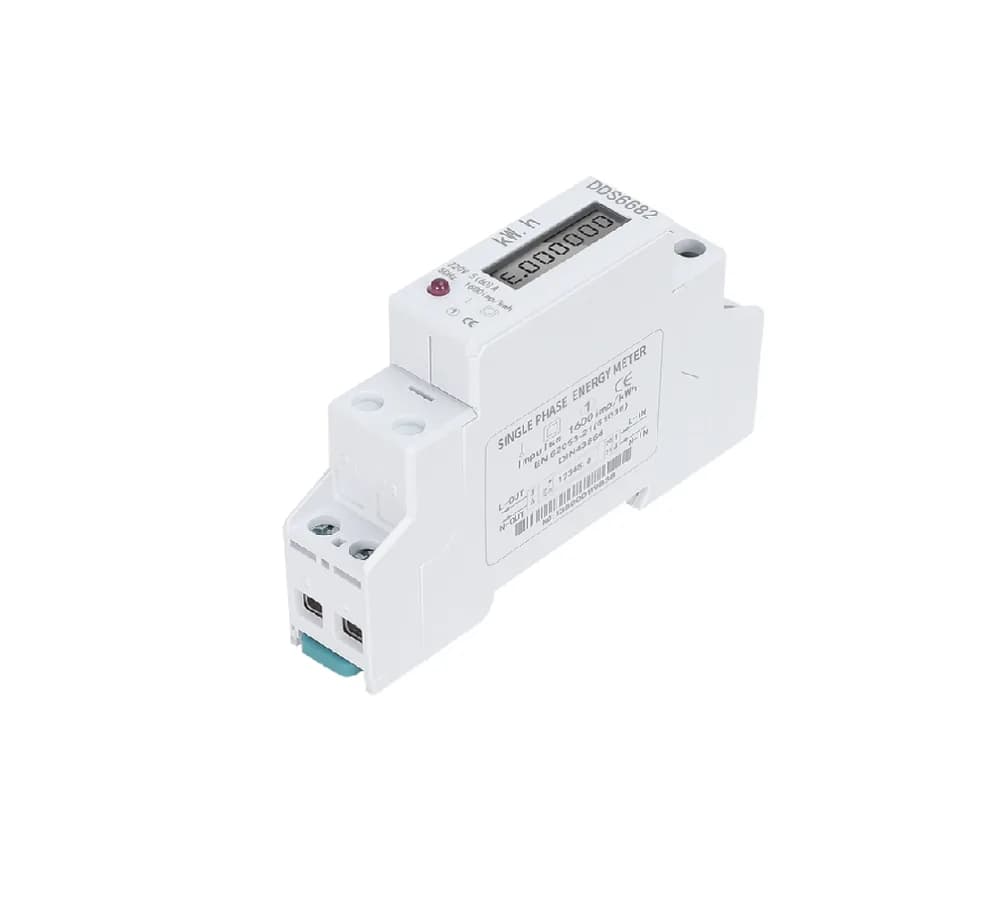
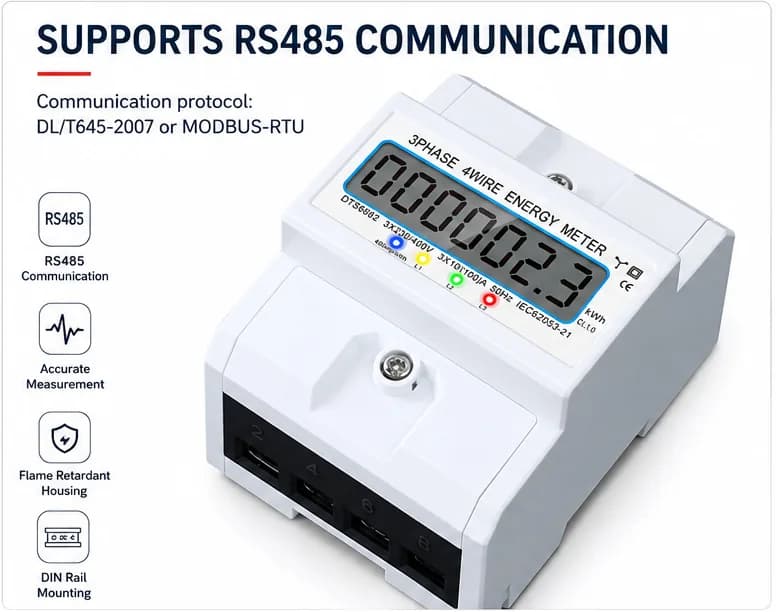
- Electricity submetering (single & three phase, DIN rail, panel, CT-based)
- HVAC and major equipment energy
- BTU / chilled-water energy monitoring
- Tenant and cost-centre energy allocation
- Solar PV generation monitoring
- Maximum demand monitoring
- Consumption anomaly detection
- Energy dashboards and saving opportunities
Water
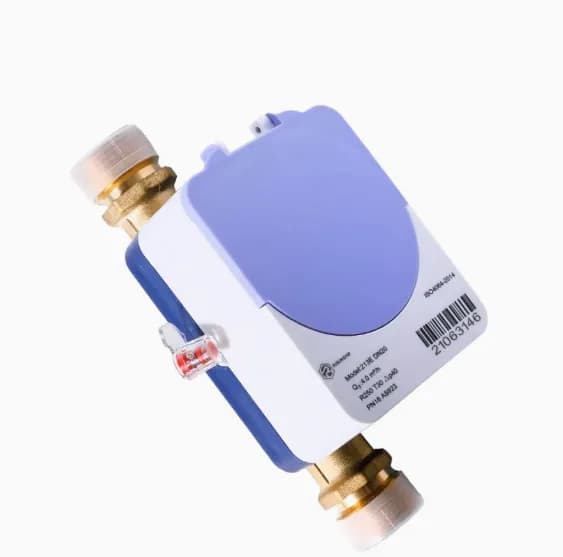
- Bulk and tenant water metering
- Tank level monitoring
- Pump status and run-hour monitoring
- Leak detection (spot, zone and continuous-flow)
- Flow and pressure monitoring
- Irrigation metering
- Water balance and non-revenue water analysis
- Alerts and remote valve control
Technologies we use
- LoRaWAN Class A / C
- LoRa Mesh
- Modbus RTU
- M-Bus
- Pulse inputs
- 4–20 mA
- MQTT
- REST API
What we integrate with
- BMS / SCADA
- CAFM / CMMS
- Energy management platforms
- ERP & billing
- Power BI / data warehouses
Outcomes
- Interval consumption data instead of monthly readings
- Faster detection of leaks and abnormal consumption
- Measured tenant recharging and cost allocation
- A defensible baseline for energy-saving projects
Industries
Where this is used
Other solutions
FAQ
Energy & Water Management — questions
Can you connect our existing Modbus or M-Bus meters without replacing them?
Yes. In most projects we retrofit existing meters with Modbus-to-LoRaWAN or M-Bus-to-LoRaWAN converters, or pulse-to-LoRaWAN counters, so the installed meters keep working and simply become wireless. Compatibility is confirmed per meter model during design.
Does LoRaWAN work in basements, plant rooms and risers?
Often yes, with careful gateway placement. Where RF paths are very difficult we use LoRa Mesh or a hybrid Mesh-to-LoRaWAN architecture. We confirm coverage with an RF/site assessment before committing to a design.
How often can meter data be reported?
Typical intervals are 5 to 60 minutes depending on the device, battery budget and duty-cycle rules. Mains-powered devices can report more frequently; alarms such as leaks are sent immediately.
Can the data go into our BMS or CAFM?
Yes. Data is delivered over MQTT, REST API, BACnet or Modbus depending on the target system, and alarms can create CAFM work orders automatically.
Planning a energy & water management project?
Tell us about your site, assets and existing systems. A LoRaWAN specialist will review your requirements and propose a practical architecture — no obligation.