
Solution
Smart Buildings & Facilities Management
Facilities teams are measured on uptime, response time and cost — yet most building assets are invisible between PPM visits. MatrixAI adds wireless monitoring to existing buildings and connects it to the BMS and CAFM, so that alarms become work orders and maintenance becomes condition-based.
- What problem do we solve?
- Critical assets (pumps, AHUs, tanks, chillers) are only checked during PPM rounds
- How do we solve it?
- Survey → Instrument → Integrate → Operate
- What technologies do we use?
- LoRaWAN, LoRa Mesh, BACnet/IP & MS/TP, Modbus, MQTT, REST API, LoRaWAN downlink
- What can we integrate?
- BMS, CAFM / CMMS, Visitor & workplace apps, ESG / sustainability reporting, Tenant portals
The problem
Building intelligence that FM teams can actually act on
- Critical assets (pumps, AHUs, tanks, chillers) are only checked during PPM rounds
- Water leaks and HVAC faults are reported by occupants, not detected by systems
- Legacy BMS coverage is partial and costly to extend with wired points
- CAFM work orders are created manually and without condition data
- Energy, IAQ and occupancy data needed for ESG reporting is not available
Our approach
How we solve it
- 1
Survey
Walk the building with the FM team, identify critical assets, failure modes and quick wins.
- 2
Instrument
Deploy wireless sensors and retrofit converters with minimal disruption to occupants.
- 3
Integrate
Connect to the BMS over BACnet/Modbus and to the CAFM via API for automated work orders.
- 4
Operate
Tune alarm thresholds with the FM team and move from reactive to condition-based maintenance.
Architecture
How the system fits together
- 01
Leak Alert
Sensor detects water
- 02
IoT Platform
Rules & escalation
- 03
CAFM Work Order
Auto-created via API
- 04
Technician
Mobile notification
- 05
Repair
Evidence captured
- 06
Closure
KPIs & SLA tracked
Capabilities
What smart buildings & facilities management covers
Monitoring
- Energy and water monitoring
- HVAC monitoring and control
- Indoor air quality (CO₂, PM2.5, TVOC, temperature, humidity)
- Water leakage, tank and pump monitoring
- Asset condition monitoring
- Occupancy and environmental sensing
Integration & maintenance
- BMS integration (BACnet, Modbus)
- CAFM / CMMS integration
- IoT-triggered CAFM work orders
- Predictive and condition-based maintenance
- Portfolio dashboards across multiple sites
- Wireless thermostats and FCU control
Technologies we use
- LoRaWAN
- LoRa Mesh
- BACnet/IP & MS/TP
- Modbus
- MQTT
- REST API
- LoRaWAN downlink
What we integrate with
- BMS
- CAFM / CMMS
- Visitor & workplace apps
- ESG / sustainability reporting
- Tenant portals
Outcomes
- Faults detected before occupants report them
- Work orders created automatically with asset and alarm context
- Lower cost to extend monitoring than wired BMS points
- Data for energy, IAQ and ESG reporting
Devices
Typical devices for this solution
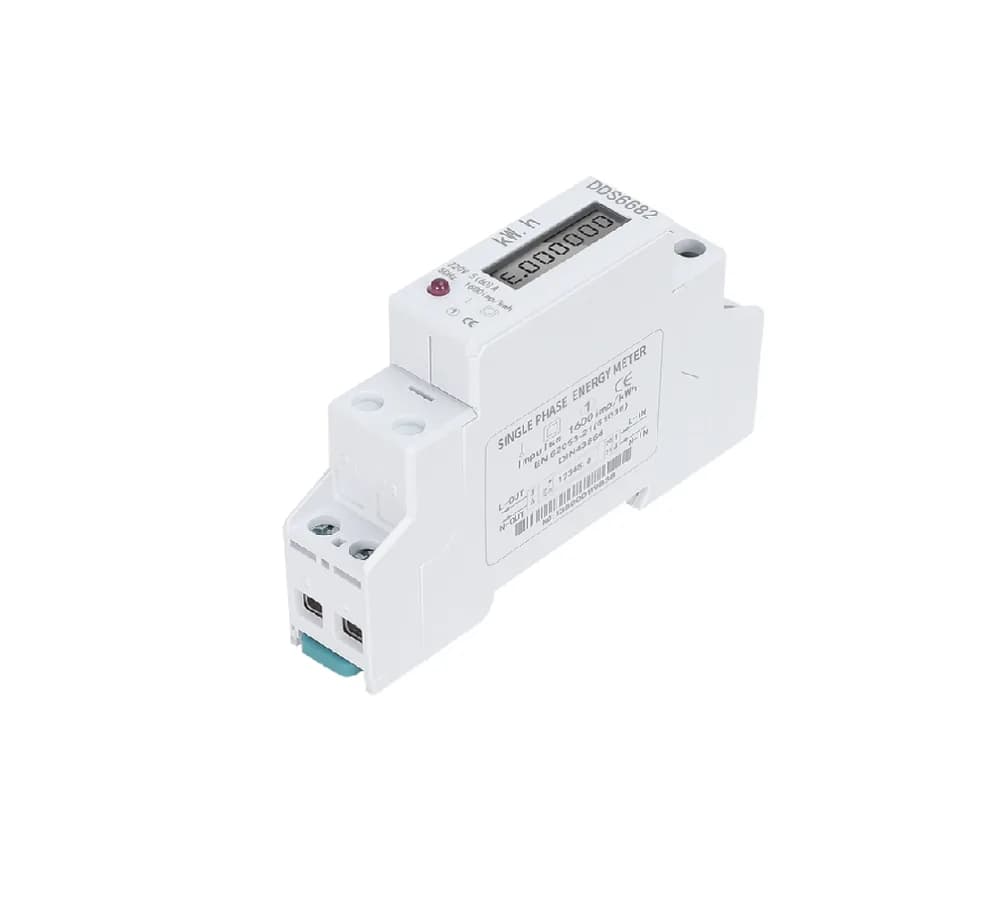
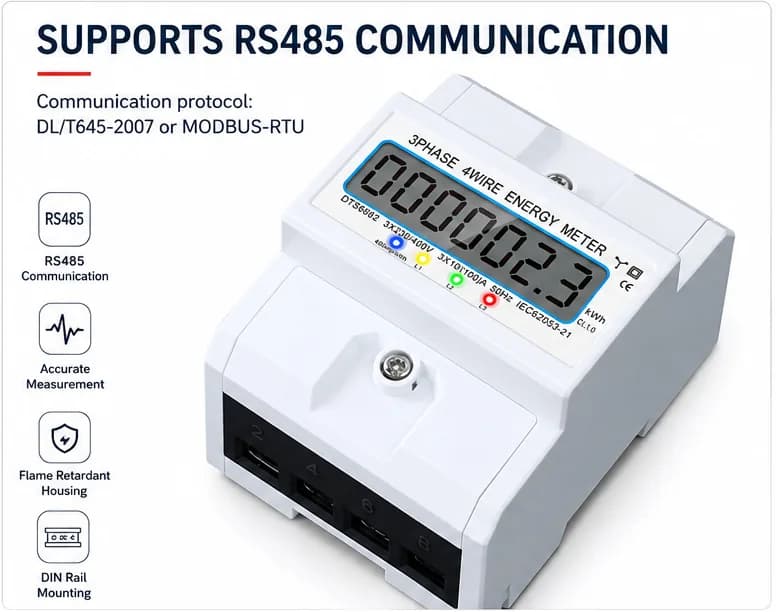
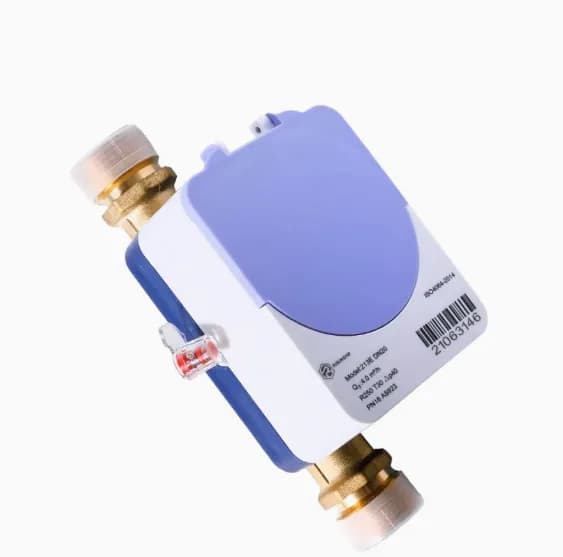
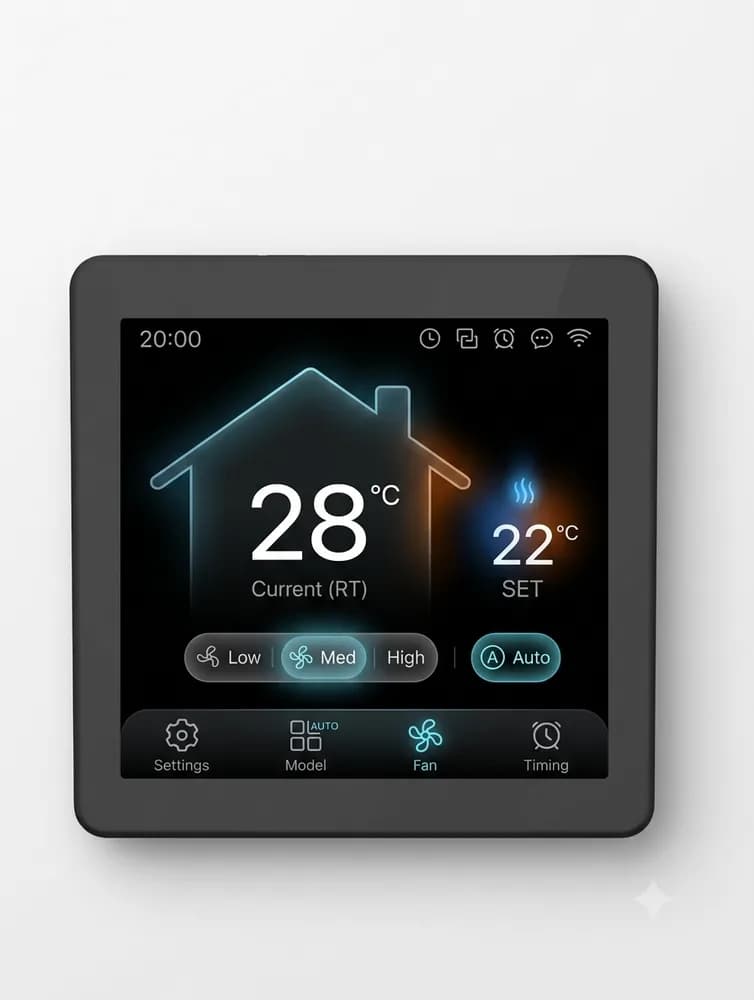
Industries
Where this is used
Other solutions
FAQ
Smart Buildings & Facilities Management — questions
Does MatrixAI replace our BMS?
No. We extend and complement the BMS. LoRaWAN is ideal for adding points that are expensive to wire, and we integrate the data back into the BMS and CAFM so operators keep one view.
Which CAFM systems can you integrate with?
Any CAFM or CMMS with an API or email/webhook intake can receive IoT-triggered work orders. Specific connectors are confirmed during design.
Can this be installed in occupied buildings?
Yes. Battery-powered wireless sensors avoid cabling works, so most devices can be installed during normal operation with minimal disruption.
Planning a smart buildings & facilities management project?
Tell us about your site, assets and existing systems. A LoRaWAN specialist will review your requirements and propose a practical architecture — no obligation.