
Protocol integration · Uplink
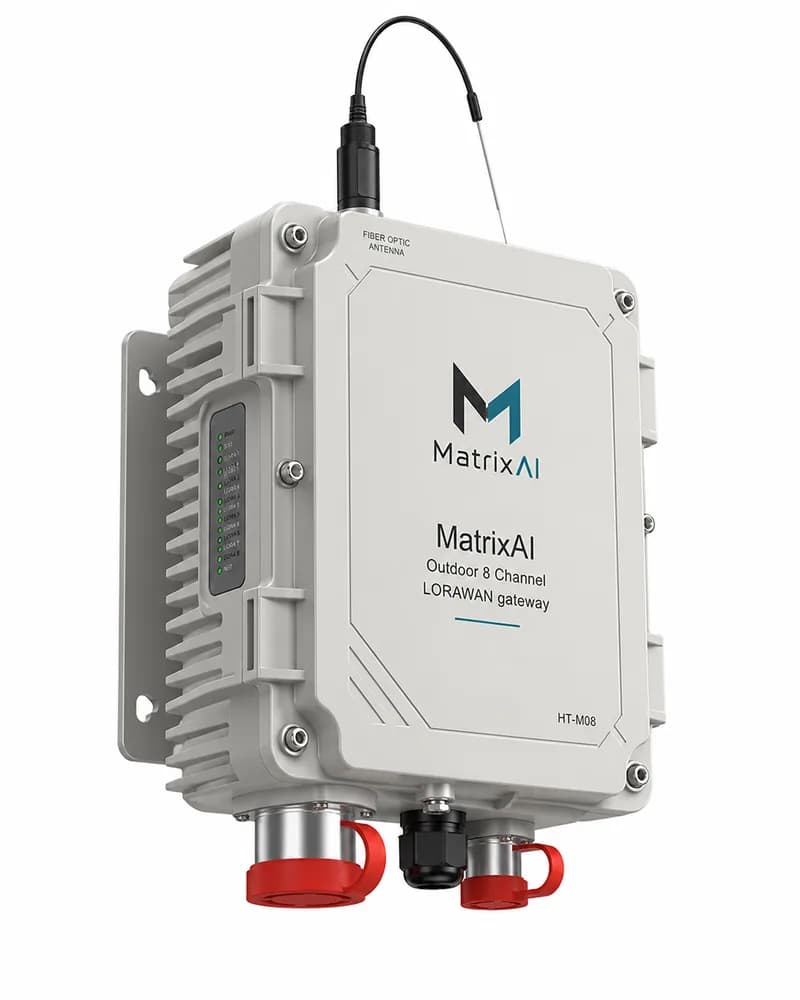
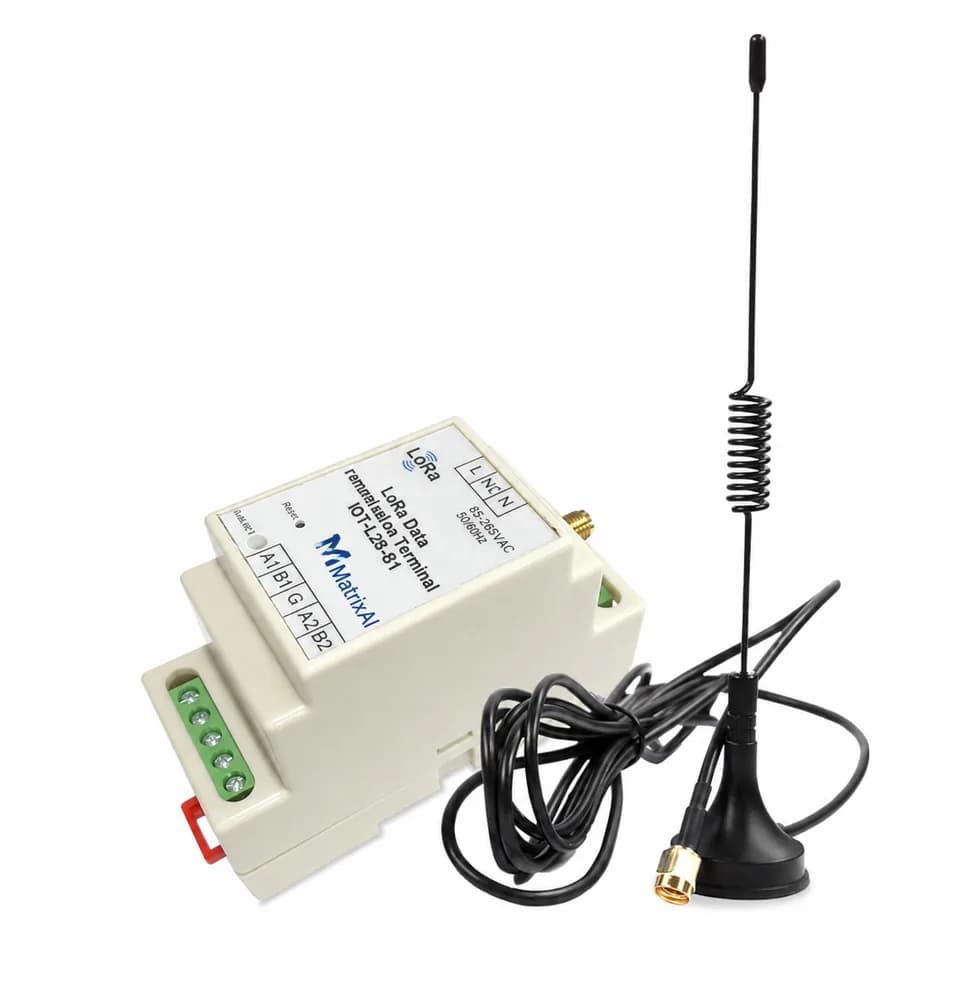
Pulse to LoRaWAN Counter
Millions of installed meters have a pulse output that is never used. A LoRaWAN pulse counter reads it and turns a mechanical meter into a connected smart meter at very low cost.
- What problem do we solve?
- Replacing mechanical meters is expensive; reading them manually is slow and error-prone.
- How do we solve it?
- MatrixAI engineers the Pulse output → LoRaWAN conversion — device audit, converter selection, mapping, decoding and commissioning.
- What technologies do we use?
- Pulse, LoRaWAN, network server codecs, MQTT / REST
- What can we integrate?
- IoT platforms, BMS, CAFM, SCADA, billing and cloud services
Architecture
Pulse output → LoRaWAN
- 01
Pulse Meter
Water · Gas · kWh
- 02
Pulse Counter
LoRaWAN
- 03
Gateway
Backhaul
- 04
Platform
Index & alarms
- 05
Reports
Consumption
How we do it
Engineering steps
- 01Confirm pulse weight (litres or Wh per pulse) and output type
- 02Install battery-powered pulse counters
- 03Set the index to match the meter register
- 04Configure interval reporting and continuous-flow leak rules
Typical data points
- Cumulative index
- Interval consumption
- Tamper / cable-cut alarms
- Continuous-flow leak indication
Use cases
- Retrofitting existing water meters
- Irrigation metering
- Gas meters in kitchens
More integrations
Other protocols
FAQ
Pulse integration questions
Will a pulse counter match the meter reading exactly?
It starts from the meter's index and counts pulses. Periodic reconciliation keeps them aligned; resolution depends on the pulse weight.
Need Pulse output → LoRaWAN integration?
Tell us about your site, assets and existing systems. A LoRaWAN specialist will review your requirements and propose a practical architecture — no obligation.