
HVAC & Building Sensors
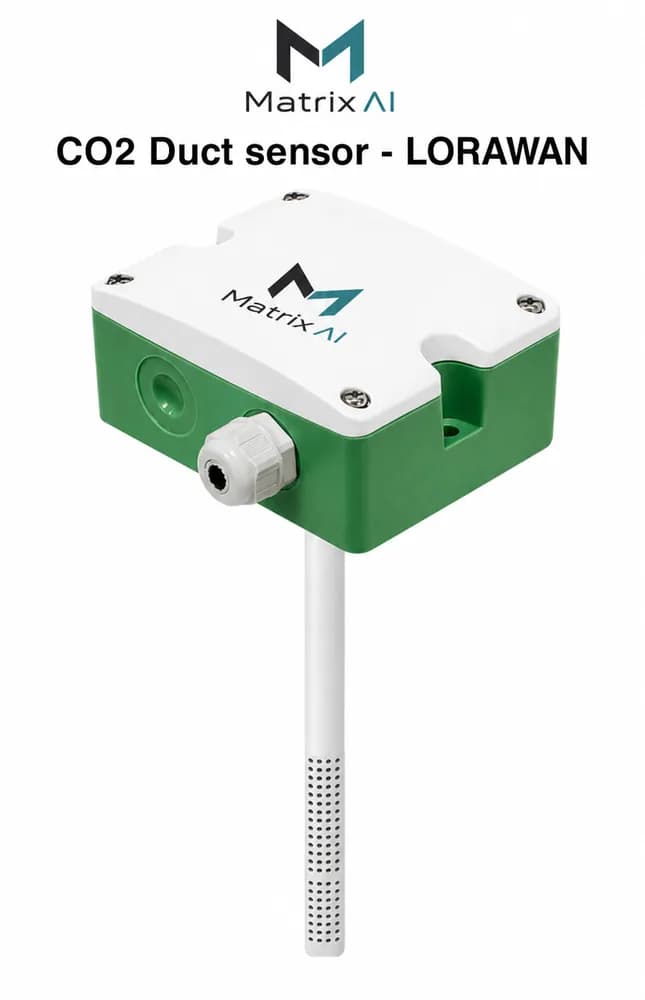
Duct CO2 Sensor
- Modbus
- DC
- Indoor
NDIR-based duct CO2 sensor for demand-controlled ventilation, helping reduce energy waste while maintaining indoor air quality standards.
Specifications
| Technology | NDIR |
|---|---|
| CO2 Range | 0–5000 ppm |
| Accuracy | ±30 ppm ±3% |
| Communication | Modbus RTU / 0–10V |
| Probe Length | 200 mm |
| Power | 12–24VAC/DC |
| Warm-up Time | <2 minutes |
| Certifications | CE, RoHS |
Specifications may vary by model and region. Final selection is confirmed during solution design.
Applications
Where the Duct CO2 Sensor is used
HVAC and building sensors give FM teams visibility of air handling, ducts, valves and plant between maintenance visits, and let control strategies run on real measurements.
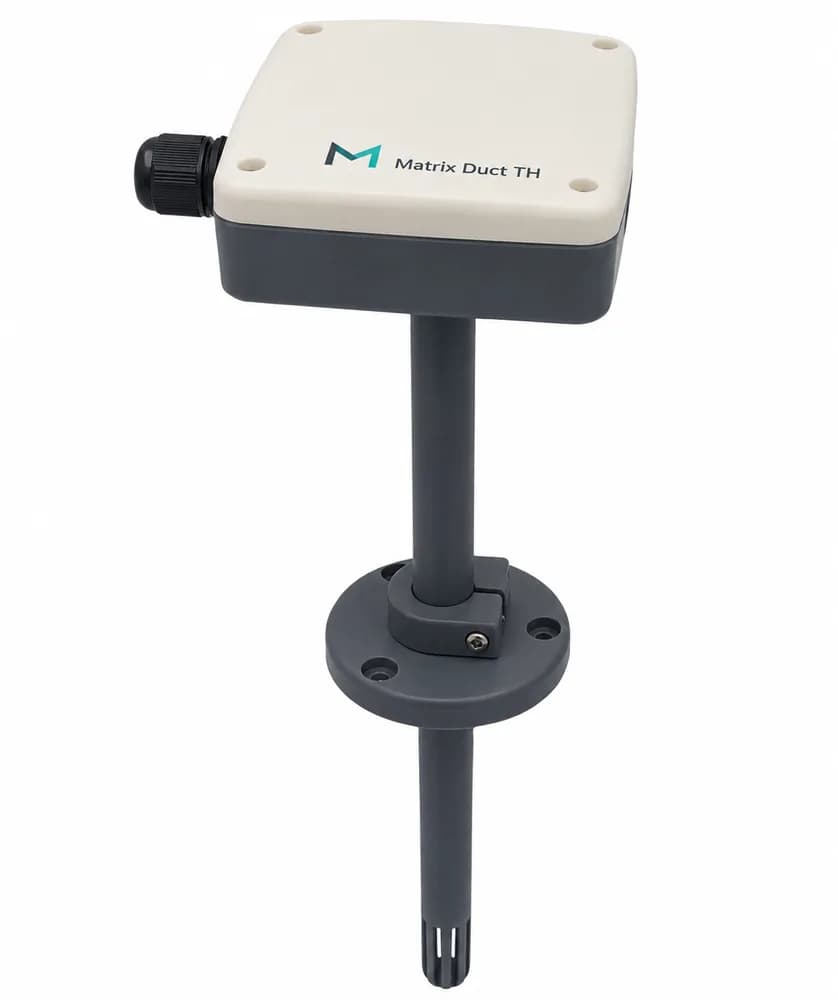
- Duct temperature, humidity and CO₂ monitoring on AHUs
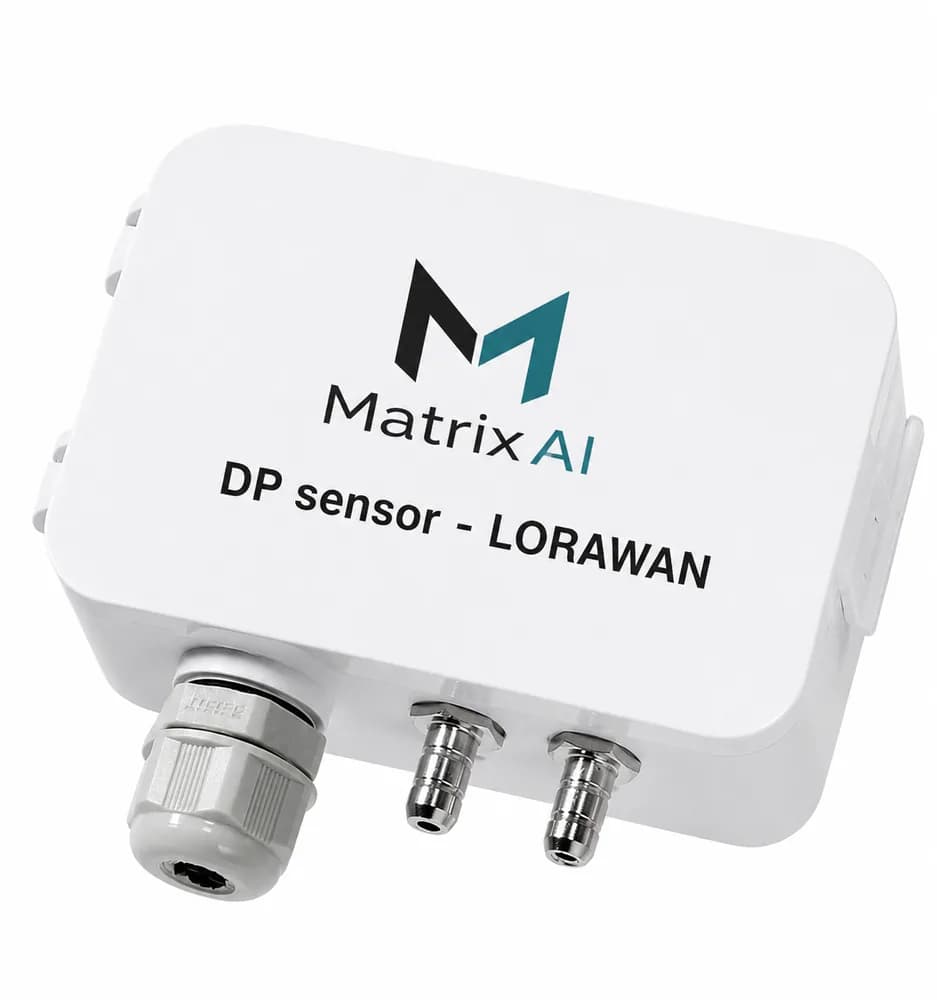
- Filter condition alerts from differential pressure
- Chilled-water valve control and actuator feedback
- Digital and analog I/O for legacy equipment status and alarms
- Edge controllers bridging field devices to BACnet, Modbus or MQTT
How it connects
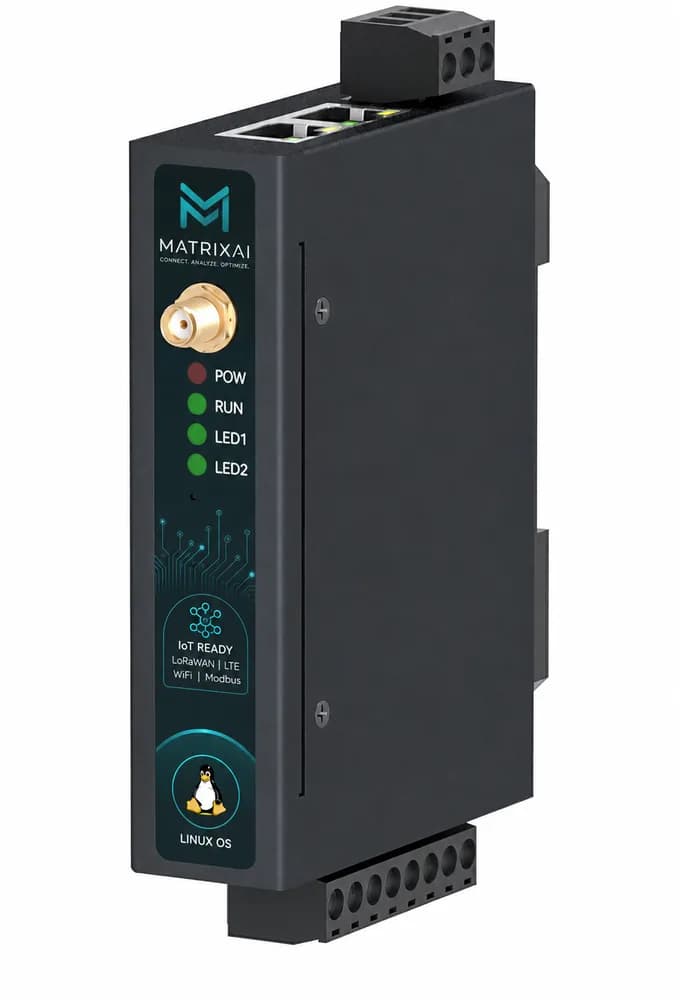
The Duct CO2 Sensor communicates over Modbus RTU. It can be wired into an existing BMS or SCADA, or connected wirelessly by pairing it with a Modbus-to-LoRaWAN converter that polls its registers and sends them over LoRaWAN, which avoids new data cabling.
Installation notes for UAE projects
- BACnet and Modbus devices are mapped into the existing BMS object list so operators keep their familiar interface.
- Where cabling is impractical, I/O signals can be carried over LoRaWAN with a converter.
- Plant rooms are often RF-difficult; LoRa Mesh or an in-room gateway can be used.
FAQ
HVAC & Building Sensors — questions
Will these devices work with our existing BMS?
Devices with BACnet or Modbus interfaces integrate directly. LoRaWAN devices are integrated through a network server and a BACnet or Modbus mapping layer.
Can legacy plant with only dry contacts be monitored?
Yes. Digital and analog input devices read run status, alarms and 4–20 mA or 0–10 V signals and report them wirelessly.
Used in
Solutions using this device
Selecting devices for a project?
Tell us about your site, assets and existing systems. A LoRaWAN specialist will review your requirements and propose a practical architecture — no obligation.